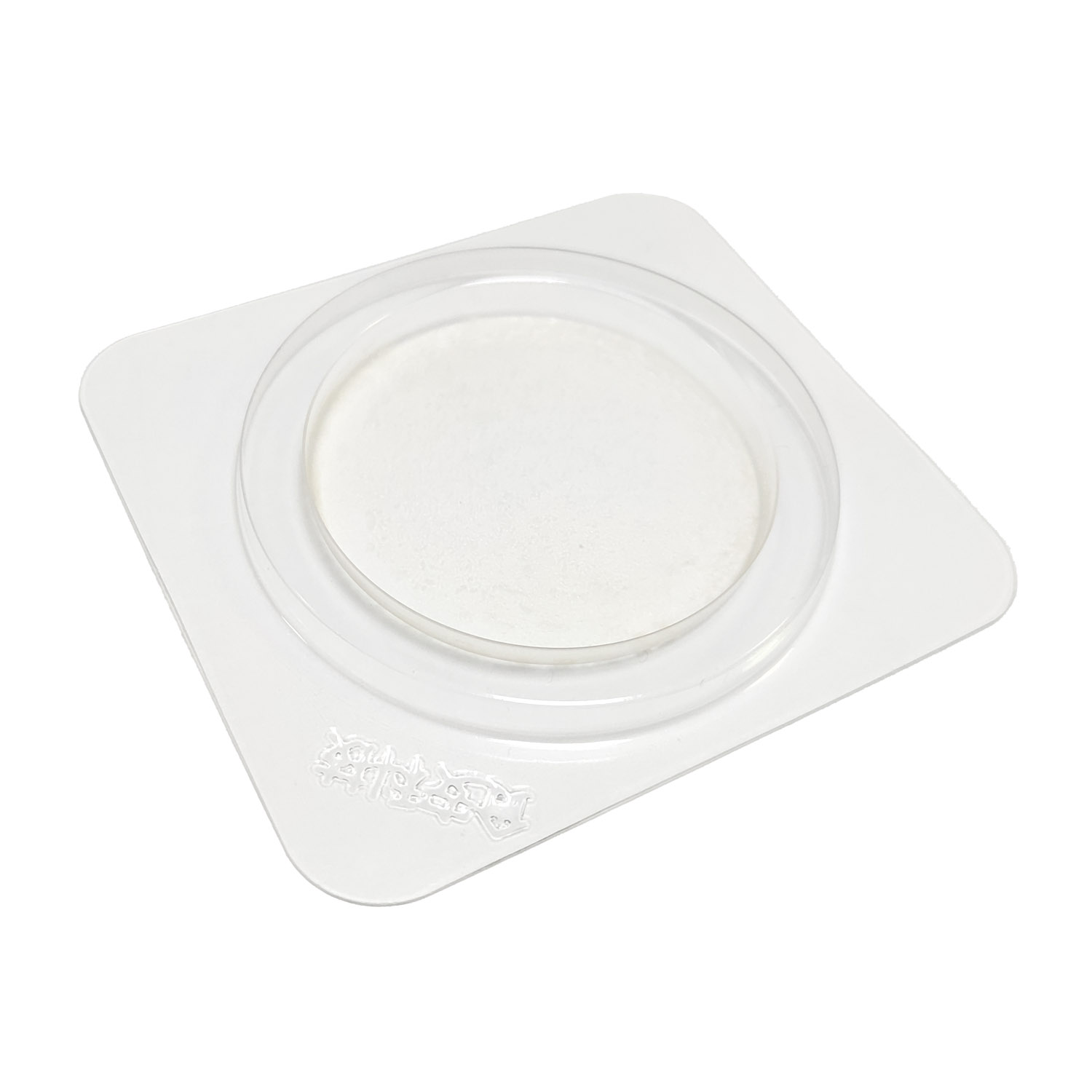
FSTest Fecal Streptococcus Detecting Plate (5 Tests)
Product Overview
The FSTest Fecal Streptococcus Detecting Plate is a pre-prepared, disposable culture medium designed for the rapid and reliable screening of fecal streptococci—a critical indicator organism of fecal contamination. Widely found in aquatic environments, these opportunistic pathogens originate from human and warm-blooded animal feces, surviving in water for extended periods and posing significant risks to human health.
This ready-to-use system replaces traditional, labor-intensive agar media preparation and plate pouring. By integrating a standardized nutrient formulation with a cold-water-soluble absorbent gel and a biochemical dehydrogenase indicator, it provides dairy/food processing plants, water quality inspection facilities, and environmental testing labs with an objective, streamlined tool to audit sanitary quality and enforce strict HACCP compliance.
Product Highlights & Key Benefits
· Accelerated 15-to-24 Hour Results: Delivers definitive sanitary screening results within an optimal window of 15 to 24 hours, significantly speeding up product holding and water release timelines.
· High-Contrast Chromogenic Identification: Pre-loaded with 2,3,5-triphenyltetrazolium chloride (TTC)—a highly stable dehydrogenase indicator. Active bacterial metabolism reduces TTC, turning fecal streptococci into distinct, easily countable red spots with yellow halos.
· Dual-Application Flexibility: Features dual distinct preparation protocols optimized for both Liquid/Water Sample Filtration and Solid Food Sample Homogenization within a single platform.
· Integrated Built-In Grid System: Features a standard grid layout overlaying the testing zone, facilitating section-by-section colony enumeration and reducing structural counting errors.
· Ambient Logistics Advantage: Formulated to withstand room temperature transportation and handling for up to 15 days, minimizing shipping overheads prior to long-term cold storage.
Technical Principle & Color Expression
The FSTest™ Fecal Streptococcus Detecting Plate operates on a selective enzymatic and metabolic reduction framework. The pre-loaded dry matrix combines optimized selective nutrients, a cold-water-soluble gel, and the TTC indicator.
During the active incubation period, living fecal streptococci cells utilize dehydrogenase enzymes to reduce the colorless tetrazolium salt (TTC) into a stable red complex. Concurrently, specific sugar/carbohydrate fermentation drops the localized pH, activating a visible yellow acid zone around the colony.
Fecal Streptococcus Metabolism → Dehydrogenase Reduction (Red Spot) + Acid Fermentation (Yellow Halo)
• Positive Result: Appears as red spots with clear yellow halos on the plate or membrane.
• Negative Result: Marked by absolutely no bacterial growth, or by colonies showing red spots without yellow halos.
Specifications & Limit of Detection
Parameter | Product Specification |
Target Organisms | Fecal Streptococcus (Enterococcus group indicators) |
Applicable Matrices | Drinking Water, Processing Water, and Food Samples |
Limit of Detection (LOD) | 1 CFU/mL (or g) |
Standard Testing Volumes | Water: 250 mL filtration matrix | Food: 25 g or mL homogenate |
Incubation Parameters | 36 ± 1°C incubated upside down for 15–24 hours |
Step-by-Step Procedure
1. Matrix-Specific Sample Preparation
· Solid/Liquid Food Sample Protocol: Weigh 25 mL (or g) of the target food sample into a sterile sampling container or homogenization bag containing 225 mL of sterile phosphate buffer or saline. Homogenize the mixture thoroughly using a professional blender at 8,000 r/min for 1–2 min to obtain a 1:10 sample homogenate. Prepare serial 10-fold dilutions as required.
· Water Sample Protocol (Vacuum Filtration): Assemble a sterile filtration apparatus connected to a vacuum flask. Using sterile forceps, carefully place a sterile filter membrane (47–50 mm diameter, 0.45 µm pore size) onto the base of the filter, and tighten the funnel cap. Pour exactly 250 mL of the target water sample into the funnel and initiate vacuum filtration.
2. Inoculation Workflow
· For Food Homogenates: Uncover the upper film of the plate. Using a sterile pipette, add 1 mL of the prepared sample dilution evenly onto the paper matrix. Quickly lower the top film. Gently shake the plate horizontally and let it set for about 10s to allow complete absorption.
· For Filtered Water Membranes: Uncover the upper film of the detecting plate and add 1 mL of sterile water onto the paper to uniformly moisten it. Quickly use sterile forceps to transfer the processed filtration membrane directly onto the moistened paper, ensuring the bacteria-retaining side is facing upward. Smoothly lower the top film, ensuring no air bubbles are trapped.
Note: Inoculate duplicate detecting plates for each dilution level or water sample to ensure data accuracy.
3. Incubation Settings
Stack the prepared detecting plates together and place them horizontally in the incubator. Ensure they are incubated upside down at 36 ± 1°C for 15–24 hours.
Crucial Technical & Safety Precautions
· ⚠️Condensation Guard: In high humidity testing environments, condensation may occur on the inner surfaces. It is highly recommended to equilibrate the entire unopened package of detecting plates to room temperature before opening.
· ⚠️Personal Protection (PPE): For user safety and biohazard mitigation, always wear disposable gloves, protective lab coats, and appropriate eye protection during the entire experimental procedure.
· ⚠️Biosafety Waste Protocol: Used diagnostic detecting plates house active, live bacterial colonies. They should be promptly autoclaved or treated according to standard international principles of biosafety waste disposal.
· ⚠️Physical Pressure Boundary: When handling or evaluating plates post-incubation, do not press directly on the central circular area to avoid disturbing the gel matrix or colony distribution.
Storage & Packing Parameters
· Standard Kit Volume:5 detecting plates per sealed box.
· Unopened Storage Parameters:Can be stored and transported at ambient room temperature within 15 days. Long-term storage must be maintained under sealed refrigeration between 4–10°C for a full shelf-life of 12 months. Do not freeze.
· Opened Foil Preservation:Once the primary protective aluminum foil bag is unsealed, unused plates must be put back inside immediately, sealed tightly, kept at 4–10°C, and completely used up within 1 month.