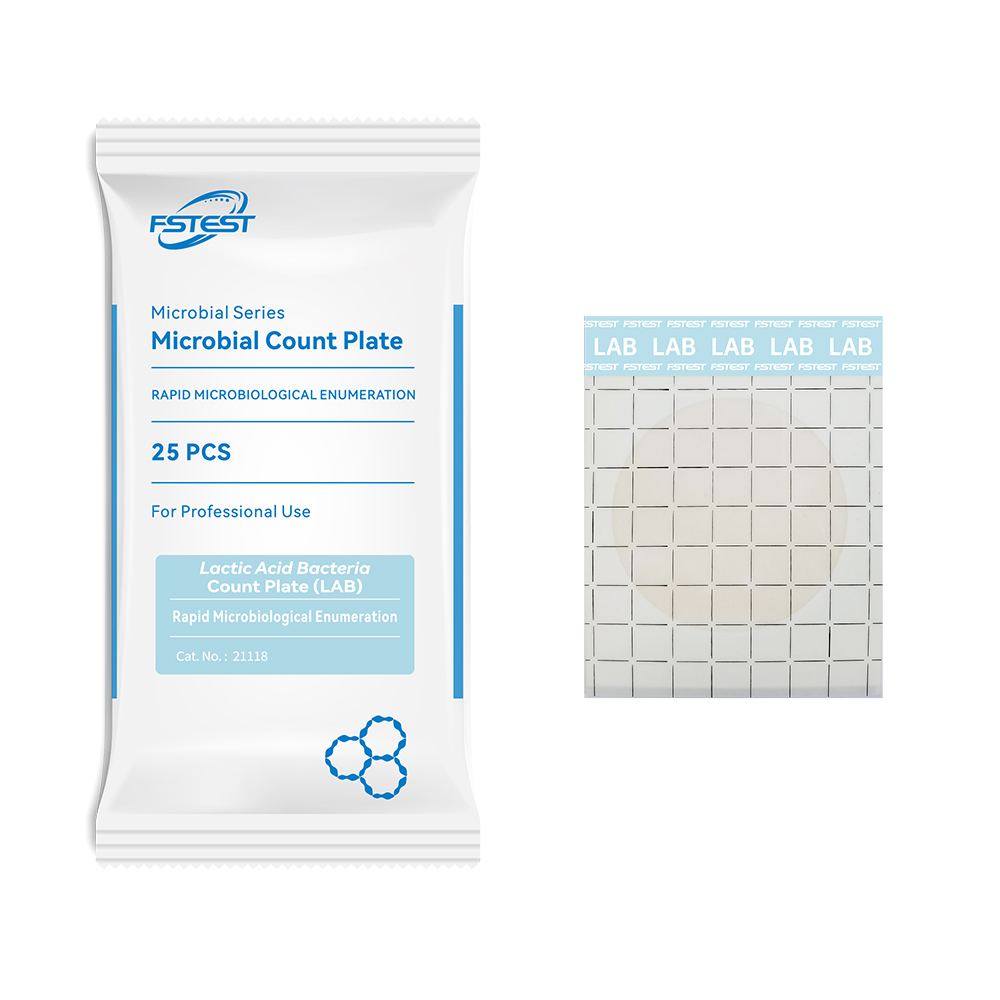

Планшет для подсчета молочнокислых бактерий FSTest (гель-тип) (25 тестов)
Обзор продукта
Пластина для подсчета молочнокислых бактерий FSTest (гелевого типа) представляет собой готовый к использованию микробиологический питательный субстрат, предназначенный для быстрого и точного подсчета молочнокислых бактерий. Это современное решение для тестирования заменяет традиционные, трудоемкие процессы подготовки агара, автоклавирования и разлива в чашки Петри.
Интегрируя селективную формулу среды с двойными биохимическими индикаторами и гелеобразующей матрицей, растворимой в холодной воде, он упрощает рутинный мониторинг. Это незаменимый инструмент для производителей молочных продуктов, ферментированных напитков, функциональных продуктов питания и лабораторий контроля качества, стремящихся проверить количество живых бактерий и обеспечить строгое соблюдение стандартов безопасности пищевых продуктов.
Основные характеристики продукта и ключевые преимущества
· Высокая эффективность и экономия времени:Заменяет трудоемкую подготовку традиционных сред MRS или специализированных агаров. Просто снимите пленку, пипетируйте образец непосредственно и инкубируйте.
· Визуальный контраст, специфичный для фермента:Использует интегрированный хромогенный субстрат, на который воздействует фермент β-галактозидаза, продуцируемый молочнокислыми бактериями. Положительные колонии развиваются в виде отчетливых, легко подсчитываемых сине-зеленых пятен.
· Двухкомпонентный индикатор pH:· Оснащена встроенным pH-индикатором, который сигнализирует об кислотообразующей способности флоры, генерируя видимый желтый ореол вокруг колоний.
· Гибкие протоколы инкубирования:Легко адаптируется как к стандартным, так и к строгим анаэробным штаммам (например, Bifidobacterium), что позволяет использовать разнообразные функциональные пищевые составы.
· Интегрированная сетчатая матрица для оценки перегрузки:Круглая зона тестирования имеет стандартную сетку. Если колоний слишком много для прямого подсчета, операторы могут рассчитать среднее значение по нескольким квадратам и умножить на 28 для оценки общего количества.
· Преимущество транспортировки при комнатной температуре:Неоткрытые тестовые планшеты могут транспортироваться и храниться при комнатной температуре до 15 дней, что обеспечивает значительную экономию на стоимости доставки перед длительным хранением в холодильнике.
Технический принцип и цветовое выражение
Пластина для подсчета молочнокислых бактерий FSTest основана на параметрах селективного роста в сочетании со специфическими ферментативными и цветовыми изменениями pH. Сухая матрица состоит из селективной среды, специфического хромогенного субстрата, индикатора pH и водорастворимого абсорбирующего геля.
Во время роста молочнокислые бактерии вырабатывают фермент β-галактозидазу, который расщепляет предварительно загруженный хромогенный субстрат. Одновременно с этим производство метаболических органических кислот снижает локальную среду pH.
Молочнокислые бактерии → Гидролиз β-галактозидазы (сине-зеленые колонии) + Образование кислоты (потенциал желтого гало)
• Типичные положительные колонии: Выглядят как отчетливые сине-зеленые пятна, с желтым ореолом или без него.
Технические характеристики и предел обнаружения
Параметр | Спецификация продукта |
Целевые организмы | Молочнокислые бактерии (флора, продуцирующая β-галактозидазу) |
Применимые матрицы | Продукты, ферментированные молочной кислотой, и продукты с добавлением молочнокислых бактерий |
Предел обнаружения (LOD) | 1 КОЕ/г (или мл) |
Оптимальный диапазон подсчета | 30–300 КОЕ на пластину |
Условия инкубации | Без строгих анаэробов: 36 ± 1°C аэробно в течение 24–48 часов |
Пошаговая процедура
1. Серийное разбавление (обработка образца)
· Первичное разведение 1:10: Взвесьте или отмерьте ровно 25 г (или мл) матрицы образца и добавьте ее в стерильный контейнер или пакет для гомогенизации, содержащий 225 мл стерильной воды, стерильного физиологического раствора или стандартного фосфатного буферного раствора. Тщательно гомогенизируйте для получения гомогената образца в разведении 1:10.
· Последующие разведения: Пипетируйте 1 мл гомогената 1:10 в пробирку, содержащую 9 мл стерильного разбавителя, чтобы получить соотношение 1:100. Повторяйте последовательно для получения более высоких разведений (1:1000 и т. д.) по мере необходимости, убедившись, что для каждого отдельного этапа разведения используется новая стерильная пипетка или наконечник. (Примечание: При необходимости исходные неразбавленные жидкие образцы могут быть оценены напрямую).
2. Процесс инокуляции
· Поместите планшеты с посевами на стерильную лабораторную скамью, чистую скамью или ламинарный бокс и снимите верхний слой пленки.
· Отпипетируйте ровно 1 мл подготовленного раствора образца в центр круглой зоны инокуляции.
· Аккуратно опустите верхнюю пленку, выполняя движение плавно, чтобы полностью избежать попадания пузырьков воздуха.
· Аккуратно поместите стандартный шпатель для посева на пленку и равномерно распределите жидкий образец по круглой зоне. Оставьте стоять нетронутым не менее 10 секунд до затвердевания питательной среды. (Примечание: Не открывайте верхнюю пленку повторно после распределения образца.)
· Инокулируйте дублирующие чашки для каждого выбранного уровня разведения вместе с одним контрольным образцом без инокулята.
3. Параметры инкубации
Уложите застывшие чашки Петри передней стороной вверх и поместите их горизонтально в инкубатор. Для обеспечения равномерного распределения тепла не укладывайте более 20 чашек одновременно. Запрограммируйте параметры инкубации в соответствии с вашим целевым профилем микрофлоры (аэробные и анаэробные стадии).
Определение результатов и окончательный подсчет
· Стандартный подсчет:Выберите пластины с умеренным распределением колоний в пределах 30–300 КОЕ. Умножьте подсчитанные колонии непосредственно на соответствующий фактор разведения, чтобы получить количество молочнокислых бактерий на грамм или миллилитр. Сообщайте окончательные результаты в КОЕ/г или КОЕ/мл.
· Оценка высокой плотности нагрузки:Если количество колоний слишком велико для прямого подсчета, выберите несколько репрезентативных мелких квадратов в пределах сетки. Рассчитайте среднее количество колоний на квадрат и умножьте это среднее на 28, чтобы оценить общее количество колоний на всей чашке. Умножьте эту оценку на ваш коэффициент разведения.
Важные технические примечания и меры предосторожности при обращении
· ⚠️Граница физического давления: При извлечении посевных чашек из инкубатора никогда не прилагайте давление пальцами непосредственно на центральную круглую область инокуляции, так как это может деформировать структуру геля и сместить колонии.
· ⚠️Средства индивидуальной защиты: Операторы должны носить стандартные защитные лабораторные халаты и одноразовые перчатки на протяжении всей процедуры для обеспечения личной безопасности.
· ⚠️Уведомление о защите от света: Не подвергайте пластины прямому солнечному свету или системам ультрафиолетового (УФ) излучения, а также избегайте длительного воздействия яркого флуоресцентного освещения.
· ⚠️Протокол утилизации с соблюдением биобезопасности: Использованные диагностические планшеты содержат живые активные микробные штаммы. Утилизируйте все планшеты для подсчета немедленно после тестирования в соответствии с международными законами об утилизации отходов биобезопасности и стандартами стерилизации.


